

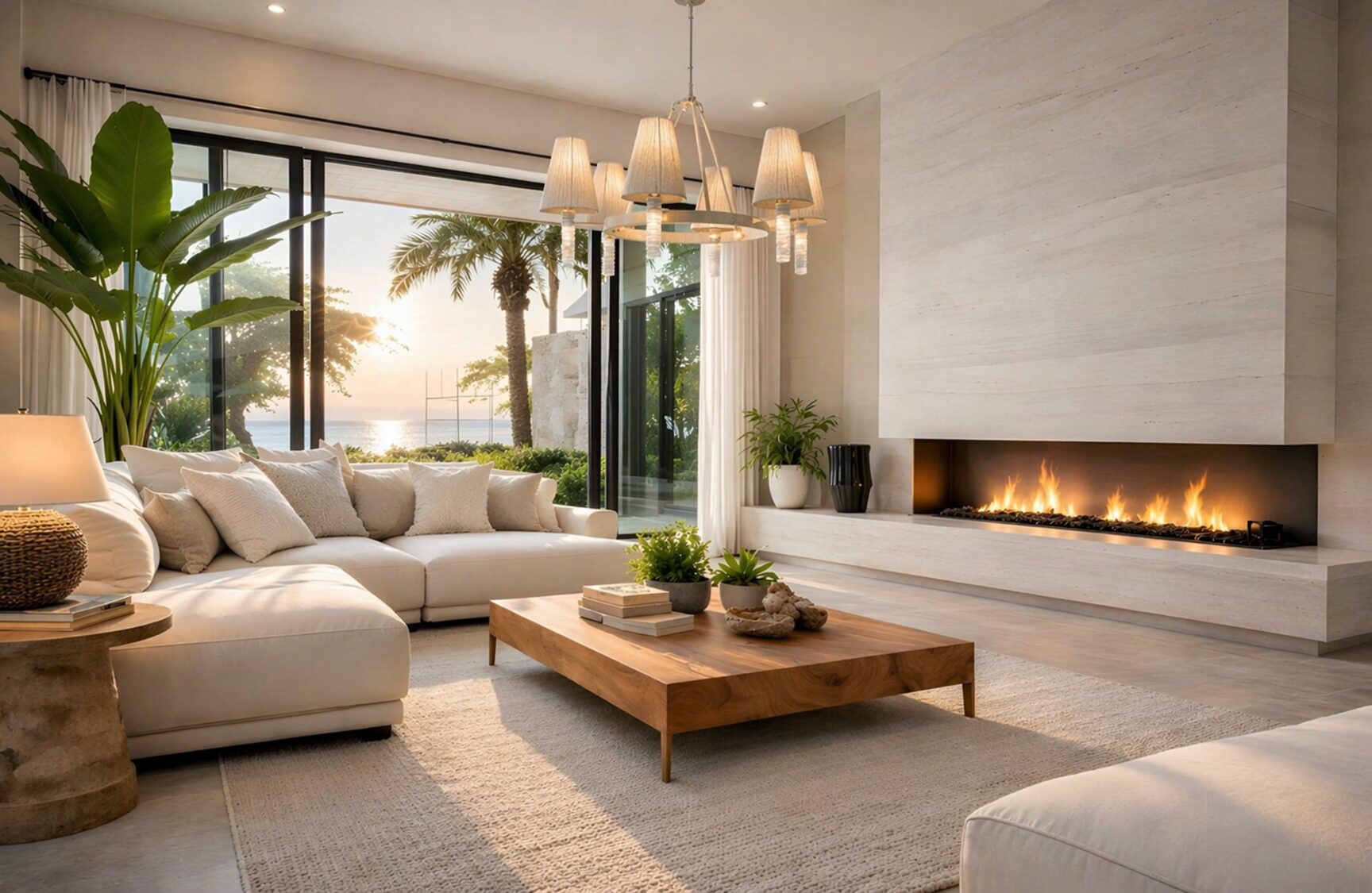
Have you ever walked into a room and instantly felt calm, or the exact opposite, completely overwhelmed? That is not random. The way a space is designed has a real impact on how we feel, how we think, and how well we function.
Interior design is not just about making a space look good. It quietly shapes your mood, your energy, and even your ability to get things done. Whether you are working from home, studying late at night, or simply trying to relax after a long day, your surroundings are always influencing you. If you are looking for a more refined and intentional home environment, LUX Interiors & Landscape Design Co. creates spaces that balance comfort, beauty, and everyday function. For larger transformations, their contracting services support renovation and design-build projects that bring a full vision to life.
In this blog, we will break down how interior design affects mood and productivity and how you can use that to your advantage.
Why Your Environment Matters More Than You Think
Most people underestimate how much their surroundings affect them. But your brain is always processing what is around you, light, color, noise, clutter, even when you are not consciously paying attention.
A messy, poorly lit room can make you feel tired and distracted. On the other hand, a clean and thoughtfully designed space can help you feel more in control, focused, and motivated. That is why home environments should be designed with purpose, especially when comfort and productivity both matter.
Think of it this way. Your environment either supports your goals or works against them.
The Subtle Power of Colors
Color is one of the easiest ways to influence mood, yet it is often chosen based on preference alone. Different colors trigger different emotional responses, and the right palette can completely change how a room feels.
Table 1: Color Effects on Mood and Productivity
| Color | Psychological Effect | Best Use Case |
| Blue | Calming, improves focus | Offices, study rooms |
| Green | Refreshing, reduces stress | Living rooms, workspaces |
| Yellow | Energizing, boosts creativity | Creative spaces |
| Red | Stimulating, increases energy | Gyms, active areas |
| Neutral tones | Balanced, calming | Bedrooms, minimalist spaces |
For example, if your workspace feels dull and draining, adding soft blues or greens can help create a more focused atmosphere. If you are doing creative work, a touch of yellow can spark ideas without making the room feel chaotic.
The key is balance. Not every wall needs to be bold, especially in a luxury interior where elegance often comes from restraint.
Lighting: The Unsung Hero of Productivity
Lighting is one of those things you do not notice until it is bad. And when it is bad, everything feels harder.
Natural light is the gold standard. It helps regulate your sleep cycle, improves mood, and keeps your energy levels steadier throughout the day. That is why people who work near windows often feel more alert and less fatigued. For spaces where natural light is limited, thoughtful lighting design becomes even more important.
Warm lighting works well for relaxing areas like bedrooms, while cooler and brighter lighting is better for workspaces where focus matters. Even a small change, like upgrading a desk lamp or layering overhead and task lighting, can make a room feel more functional and polished.
If you want the space to feel more tailored, consider aligning lighting choices with your interior design goals so the room supports both comfort and purpose.
Layout: Flow Matters More Than You Realize
Why Layout Affects Feelings
Ever felt irritated in a room without knowing why? Sometimes it is not the color or furniture. It is the layout.
If your space feels cramped or awkward to move around in, your brain picks up on that friction. It creates subtle stress, even if you cannot quite explain it. Good layout design is really about flow. You should be able to move easily, reach what you need, and enjoy the room without feeling boxed in.
Even small changes, like repositioning your desk or removing unnecessary furniture, can completely change how a space feels. In well-planned interiors, every piece has a purpose, and that sense of order can make daily life feel smoother.
If you want to see how thoughtful planning translates into real spaces, take a look at the Lux Interiors Portfolio or the Before/After Photos to see the difference intentional design can make.
Clutter: The Silent Productivity Killer
Clutter does not just take up physical space. It takes up mental space too.
When your surroundings are chaotic, your brain has to work harder to filter out distractions. That makes it harder to focus, even on simple tasks. On the flip side, a clean and organized space creates a sense of calm and control.
You do not need to go full minimalist, but a few habits can make a big difference:
- Keep only what you actually use.
- Give everything a designated place.
- Do quick resets at the end of the day.
It is less about perfection and more about reducing unnecessary noise. In a well-designed home, storage and organization should feel built into the space, not added as an afterthought.
Bringing Nature Indoors
There is something naturally calming about being around plants, sunlight, and organic textures, and that is not just a feeling. It is backed by the idea of biophilic design, which reconnects indoor spaces with nature.
Small Natural Touches
Even small additions can help:
- A couple of indoor plants.
- Wooden textures or natural materials.
- Letting in more daylight.
These elements can reduce stress, improve mood, and even boost creativity. They also help a room feel softer, warmer, and more inviting, which is especially valuable in a home designed for both beauty and well-being.
If your home extends outdoors too, the Landscape Design Portfolio can also inspire ways to create a more seamless indoor and outdoor connection.
Sound: The Invisible Influence
Sound can either sharpen your focus or quietly drain your energy, which is why the right acoustics matter just as much as the visuals in any well-designed space.
Why Noise Matters
While we focus a lot on what we see, what we hear matters just as much. Too much noise can break your concentration, but complete silence can feel uncomfortable for some people. The ideal environment depends on your lifestyle and how you use the space. That is why sound control should be part of the overall design plan, not something added later.
Ways to Improve Acoustics
You can manage sound by:
- Adding rugs or curtains to absorb noise.
- Using soft background music or white noise.
- Creating a dedicated quiet area for deep work.
It is about finding what helps you stay in the zone without making the room feel sterile or closed off.
Personal Touches Make a Difference
A space should feel like yours. That emotional connection can boost motivation, comfort, and even confidence.
This does not mean filling your room with random décor. It means being intentional:
- Display things that inspire you.
- Use colors and textures you genuinely enjoy.
- Add personal items that make you feel grounded.
Just be careful not to overdo it. Too many elements can bring you right back to clutter. The most successful interiors usually feel curated, not crowded.
Table 2: Interior Design Elements and Their Impact
| Design Element | Effect on Mood | Effect on Productivity |
| Natural light | Boosts happiness | Improves focus |
| Ergonomic furniture | Reduces discomfort | Increases efficiency |
| Indoor plants | Lowers stress | Enhances creativity |
| Organized space | Creates calm | Improves concentration |
| Color scheme | Shapes emotions | Influences energy levels |
Simple Ways to Improve Your Space
If you are not sure where to start, keep it simple. You do not need a full redesign to see results.
- Let in as much natural light as possible.
- Declutter your workspace regularly.
- Use calming colors for focus-heavy areas.
- Invest in a comfortable chair and desk setup.
- Add a few plants or natural elements.
- Adjust lighting based on your activity.
- Keep your layout open and easy to navigate.
Small changes, done consistently, can completely shift how a space feels. If you are planning a more complete refresh, a professional interior design approach can help bring all of these elements together more seamlessly.
FAQs
How does interior design affect mental health?
It influences stress levels, mood, and overall emotional well-being by shaping the environment you spend time in every day.
Which color is best for productivity?
Blue is one of the best choices because it promotes focus and a sense of calm.
Can poor interior design reduce productivity?
Yes, clutter, bad lighting, and uncomfortable furniture can make it harder to concentrate and stay efficient.
How can I improve my workspace without spending much?
Start with decluttering, improving lighting, and rearranging your layout. These changes cost little but can make a big difference.
Does natural light really make a difference?
Absolutely. It improves mood, energy levels, and focus, making it easier to stay productive.
The Final Verdict!
Interior design is not just about how a space looks. It is about how it makes you feel and how well it supports your daily life. When your environment is aligned with your needs, everything becomes easier. You think more clearly, work more efficiently, and feel more at ease. That is the real value of thoughtful design. It creates a home that works with your lifestyle instead of against it. The best part is that you do not always need a huge budget or a full renovation to start seeing the difference. A few intentional updates with Lux Interiors & Landscape Design Co. can turn any room into a space that feels more balanced, more beautiful, and more functional. To explore more of what the brand offers, visit the Testimonials or reach out through the Contact page to begin planning a space that truly fits your life.